Home Extension Storage Ideas
A practical step-by-step guide to home extension storage ideas, including preparation, instructions, common issues, tips, and next steps.
Home Extension Storage Ideas
This guide explains how to approach home extension storage ideas, including the preparation, practical steps, common mistakes, and final checks that help you finish with confidence.
Before You Start
Step-by-Step Instructions
Quick Reference
Common Problems When Planning Home Extension Storage
Even with careful planning, challenges can arise when designing storage for a new extension. Being aware of these common issues can help you anticipate and address them effectively.
Advanced Tips for Home Extension Storage
To truly elevate your extension's functionality and aesthetic, consider these more advanced storage strategies:
Home Extension Storage Ideas FAQ
Here are answers to some common questions about planning storage for your extension:
When is the best time to plan storage for an extension?
The absolute best time to plan storage for a home extension is during the initial design phase, alongside your architect or builder. Integrating storage into the architectural plans allows for built-in solutions, efficient use of space, and consideration of structural requirements. Trying to add significant storage after construction has begun or finished often results in compromises or higher costs.
Should I choose ready-made or custom-built storage?
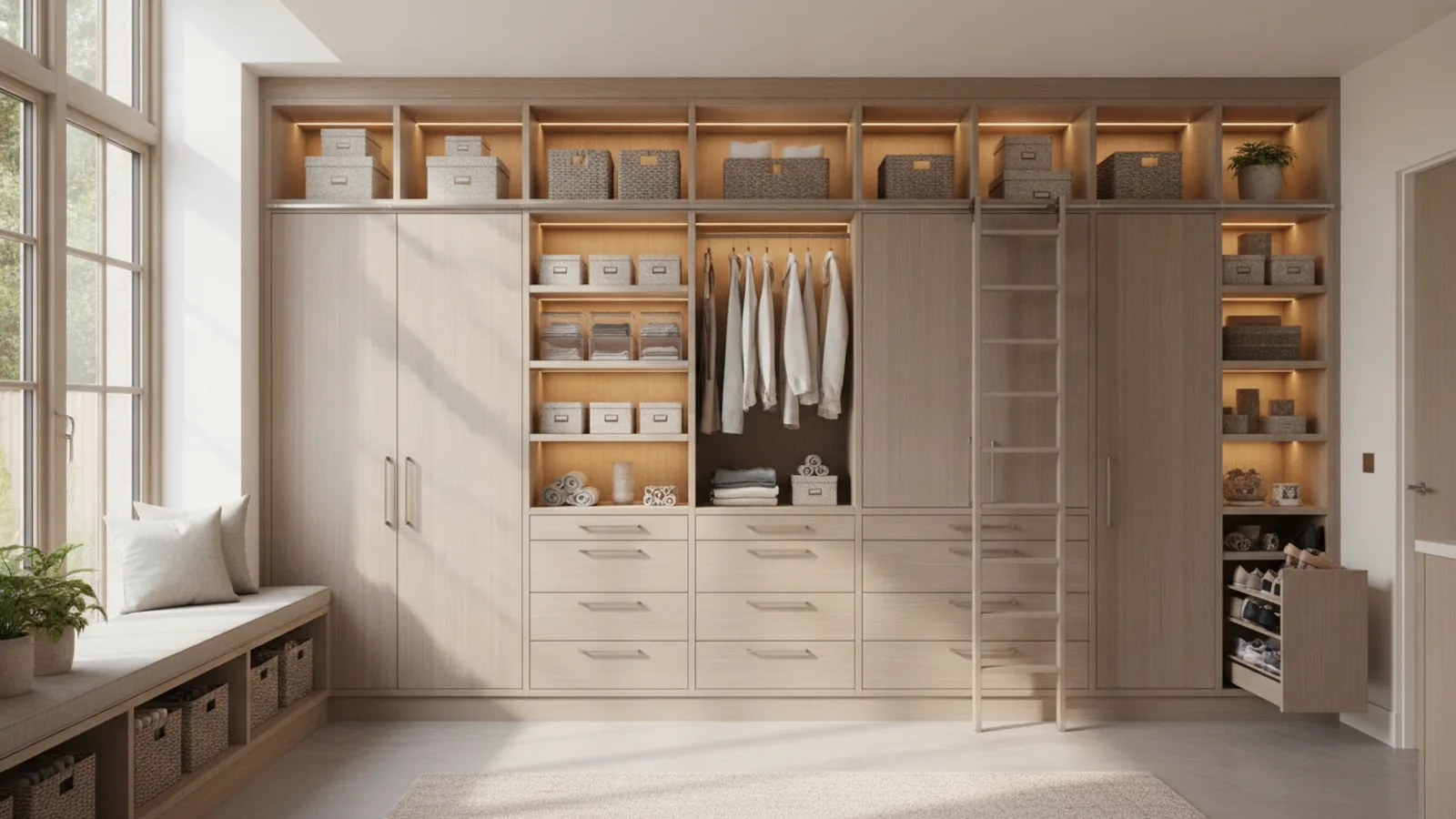
This depends largely on your budget and specific needs. Custom-built storage offers unparalleled fit, finish, and maximises every inch of space, especially in awkward areas. It often looks more integrated and seamless. However, it is significantly more expensive. Ready-made or modular storage is more budget-friendly and readily available. It can be a good option for less critical areas or if you have standard wall sizes. A hybrid approach, combining custom for key areas (e.g., kitchen, master bedroom wardrobes) and ready-made for others (e.g., utility room, spare room), can offer a good balance.
How can I prevent my new extension storage from becoming cluttered?
The key to preventing clutter is twofold: effective initial design and ongoing management. Design your storage with specific items in mind and ensure everything has a "home." Opt for a good balance of open and closed storage, with closed storage for items you don't want to see daily. Once built, commit to regular decluttering. Follow the "one in, one out" rule, and schedule periodic reviews to get rid of items you no longer need or use. Clear, labelled containers for internal organisation also help.
Are there any specific considerations for storage in a kitchen extension?
Absolutely. Kitchen extensions require highly functional storage due to the sheer number and variety of items. Prioritise deep drawers over lower cupboards for pots, pans, and heavier items. Incorporate pull-out larders or pantry systems for food. Utilise corner solutions like Le Mans units for inaccessible spaces. Think about specific storage for recycling bins, cleaning products, and small appliances to keep worktops clear. Ergonomics and accessibility are paramount in a kitchen.
What about storage for a garden room or conservatory extension?
Storage in a garden room or conservatory needs to withstand potential temperature fluctuations and sometimes higher humidity. Choose materials that are durable and easy to clean. Consider weather-resistant outdoor storage benches, low-level cabinets for gardening tools or outdoor cushions, or built-in shelving for books and plants. If the extension is primarily for relaxation, focus on discreet storage for throws, magazines, or small leisure items.
Final Checklist for Home Extension Storage Ideas
Use this checklist to ensure you've considered all key aspects of planning storage for your home extension:
By systematically working through these points, you can ensure your new home extension isn't just bigger, but also more organised and ultimately more enjoyable.