Bathroom Renovation Design Questions
A practical step-by-step guide to bathroom renovation design questions, including preparation, instructions, common issues, tips, and next steps.
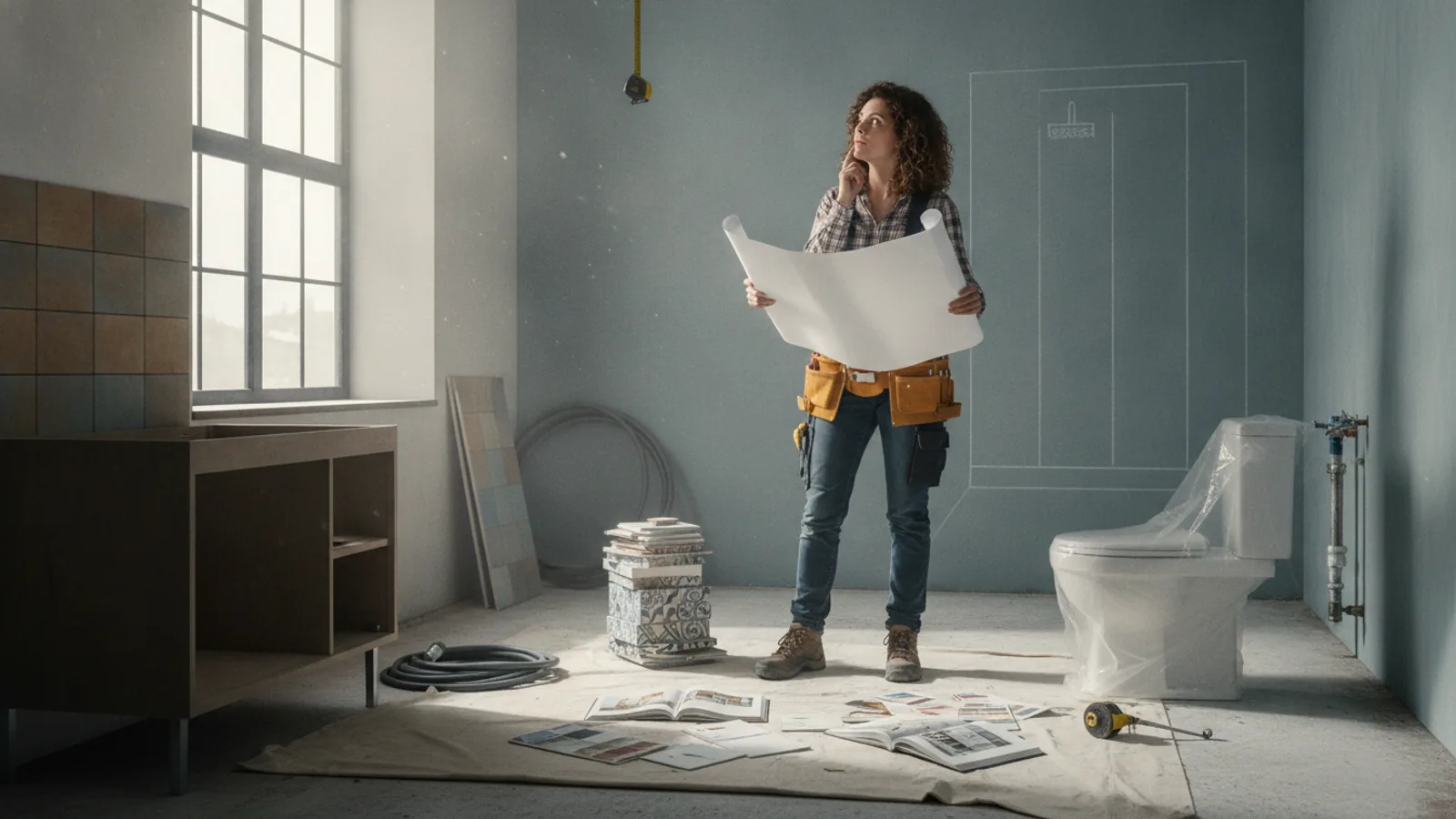
Bathroom Renovation Design Questions
This guide explains how to approach bathroom renovation design questions, including the preparation, practical steps, common mistakes, and final checks that help you finish with confidence.
Before You Start
Step-by-Step Instructions
Quick Reference
Common Problems When You Bathroom Renovation Design Questions
Fix: Before finalising your layout, consult with a qualified plumber and electrician. They can advise on what's feasible given existing pipework and wiring, and where moving things might become very expensive or impractical. Small adjustments can often save thousands.
Fix: Be realistic from the start. Research average costs for different aspects of a bathroom renovation in your area (GB). Always add a 10-15% contingency fund for unexpected issues. Get a clear timeline from your contractor and build in buffer days.
Fix: While tempting, some trendy materials or intricate tile patterns can be a nightmare to clean. Ask yourself: "How easy will this be to keep clean in five years?" Opt for durable, easy-to-maintain surfaces and good quality fixtures.
Fix: A bathroom must first and foremost be functional. A beautiful floating vanity might look great, but if it doesn't offer enough storage for your needs, you'll regret it. Always balance style with practical considerations like storage, easy access, and safe movement.
Fix: Poor ventilation leads to mould and damp, damaging your new investment. Ensure your extractor fan is powerful enough for your bathroom's size and that your heating system is efficient for comfort, especially in colder months. This is often an afterthought but is critical.
Advanced Tips for Bathroom Renovation Design Questions
Once you've covered the basics, these advanced tips can help refine your design and ensure an even more successful renovation.
- Consider Zoned Lighting: Instead of a single overhead light, plan for different lighting zones. Use bright task lighting around the mirror, softer ambient lighting for the main space, and perhaps a subtle accent light in a niche. This allows you to set different moods and provides better functionality for various tasks.
- Maximise Natural Light: If possible, explore options to enhance natural light. This could involve larger windows, a skylight, or even glass blocks in an internal wall. Natural light makes a bathroom feel more spacious and inviting.
- Incorporate Smart Technology: Look into smart mirrors with integrated lighting and defoggers, intelligent toilets with bidet functions, or shower systems with digital controls. While an investment, these can add significant convenience and a touch of luxury.
- Think About Soundproofing: Especially for en-suites or bathrooms next to living areas, consider adding soundproofing to walls and doors. This can greatly improve comfort and privacy for everyone in the home.
- Use Recessed Niches and Shelving: Instead of external shelving that can clutter a small space, consider building recessed niches into shower walls or above the toilet. These provide sleek storage without taking up valuable floor space.
- Plan for Future Flexibility: Even if you don't need full accessibility now, consider structural elements that could support grab bars later without major renovations. Reinforcing wall studs in key areas during construction is a small cost now that offers big benefits in the future.
- Custom Joinery for Unique Spaces: If your bathroom has unusual dimensions or awkward corners, consider custom-built vanity units or storage solutions. While more expensive, they can maximise every inch of space and provide a truly tailored look.
Bathroom Renovation Design Questions FAQ
Final Checklist for Bathroom Renovation Design Questions
Use this checklist to ensure you've thought through all the critical aspects of your bathroom renovation design questions before starting any work.
Current Bathroom Assessment: Have you clearly identified what you like and dislike about your existing bathroom?
User Needs Defined: Is it clear who will use the bathroom and what their specific functional requirements are?
Layout & Fixture Choices: Have you decided on the core fixtures (bath, shower, toilet, basin) and explored potential layouts?
Style & Aesthetics: Do you have a clear vision for the overall look, feel, colours, and materials of the new bathroom?
Storage & Lighting Planned: Have you thought about all your storage needs and designed a lighting scheme that includes ambient, task, and accent lighting?
Ventilation & Heating Addressed: Are you confident the ventilation will be adequate and the heating sufficient for comfort?
Budget Established: Do you have a realistic budget, including a contingency fund, and clear priorities for spending?
Maintenance & Durability Considered: Have you selected materials and finishes that are practical for long-term cleaning and use?
Plumbing & Electrical Feasibility Checked: Have you discussed major layout changes with professionals to ensure they are practical and affordable?
Future Needs & Accessibility Thought Through: Have you considered how the bathroom might need to adapt over time?
FAQ
What should I check before I start?
Check the goal, the key prerequisite, and any current instructions that could change the safest next step for bathroom renovation design questions.
How can I tell whether the result is working?
Use the practical checks in the guide, pause if a required step is unclear, and verify the finished result against the intended outcome.