Best Energy Efficient Home Improvements 2026
A practical roundup review of the best options for energy efficient home improvements, with quick picks, comparison notes, mini reviews, buying advice, and FAQ.
Best Energy Efficient Home Improvements 2026
Pros and Cons
Pros: The shortlist makes it easier to compare the strongest fits for energy efficient home improvements before you spend time on the fine print.
Cons: Features, availability, compatibility, and current terms can differ, so check the details that matter to your use case.
Score Breakdown
Each score reflects the evidence available for fit, usability, value, and practical tradeoffs. Treat it as a comparison aid rather than a substitute for checking current details.
Roundup review
Our comprehensive review considered five crucial categories of home improvements for energy efficiency in the GB market. Based on extensive product research, official specifications, public buyer feedback patterns, and our own editorial analysis, we've identified the most impactful options for UK homeowners looking to reduce their carbon footprint and energy bills. The clear frontrunner for overall impact and return on investment is a Comprehensive Home Insulation Upgrade.
Quick Comparison
The Best energy efficient home improvements
Quick Answer: Best energy efficient home improvements
For UK homeowners seeking the most impactful and generally cost-effective upgrade to improve their home's energy efficiency, a Comprehensive Home Insulation Upgrade stands out. This includes optimising loft, wall (cavity or solid), and floor insulation. It delivers significant heat retention, reduces energy bills, and enhances overall comfort with a relatively strong return on investment. Other top contenders include Smart Heating Control Systems for immediate, user-friendly savings, and High-Performance Window Glazing for long-term value and comfort improvement.
Comparison Table: Top 5 Picks
For a quick overview of our top recommendations, please refer to the "Quick Comparison" section above, which details each improvement's key benefits and overall score at a glance.
How We Chose the Best energy efficient home improvements
Our assessment for 2026 is based on a thorough analysis of market data, independent energy efficiency reports from bodies like the Energy Saving Trust, official product specifications from leading manufacturers and installers, and synthesis of public feedback regarding long-term performance and user satisfaction in the UK. We focused on improvements proven to deliver tangible benefits within the UK's climate and housing stock.
The key criteria we used to evaluate each energy efficient home improvement include:
- Energy Savings Potential: How much can this improvement realistically reduce energy consumption and bills?
- Typical Payback Period: How long does it generally take for the savings to offset the initial investment?
- Upfront Cost: The average initial outlay required for purchase and installation.
- Installation Complexity: The degree of disruption and professional skill required for implementation.
- Suitability for GB Homes: How well does the improvement align with the common construction types and climate conditions in Great Britain?
- Impact on Comfort & Property Value: Beyond energy savings, how does it enhance the living environment and contribute to the home's market worth?
- Availability of Grants & Support: The extent to which government schemes or incentives can reduce the financial burden for UK residents.
By weighing these factors, we aimed to provide clear, practical guidance for readers comparing real options for their homes.
The Best energy efficient home improvements
- Comprehensive Home Insulation Upgrade - Best overall
- Smart Heating Control Systems - Best for immediate savings & ease of installation
- High-Performance Window Glazing - Best for long-term value & whole-home comfort
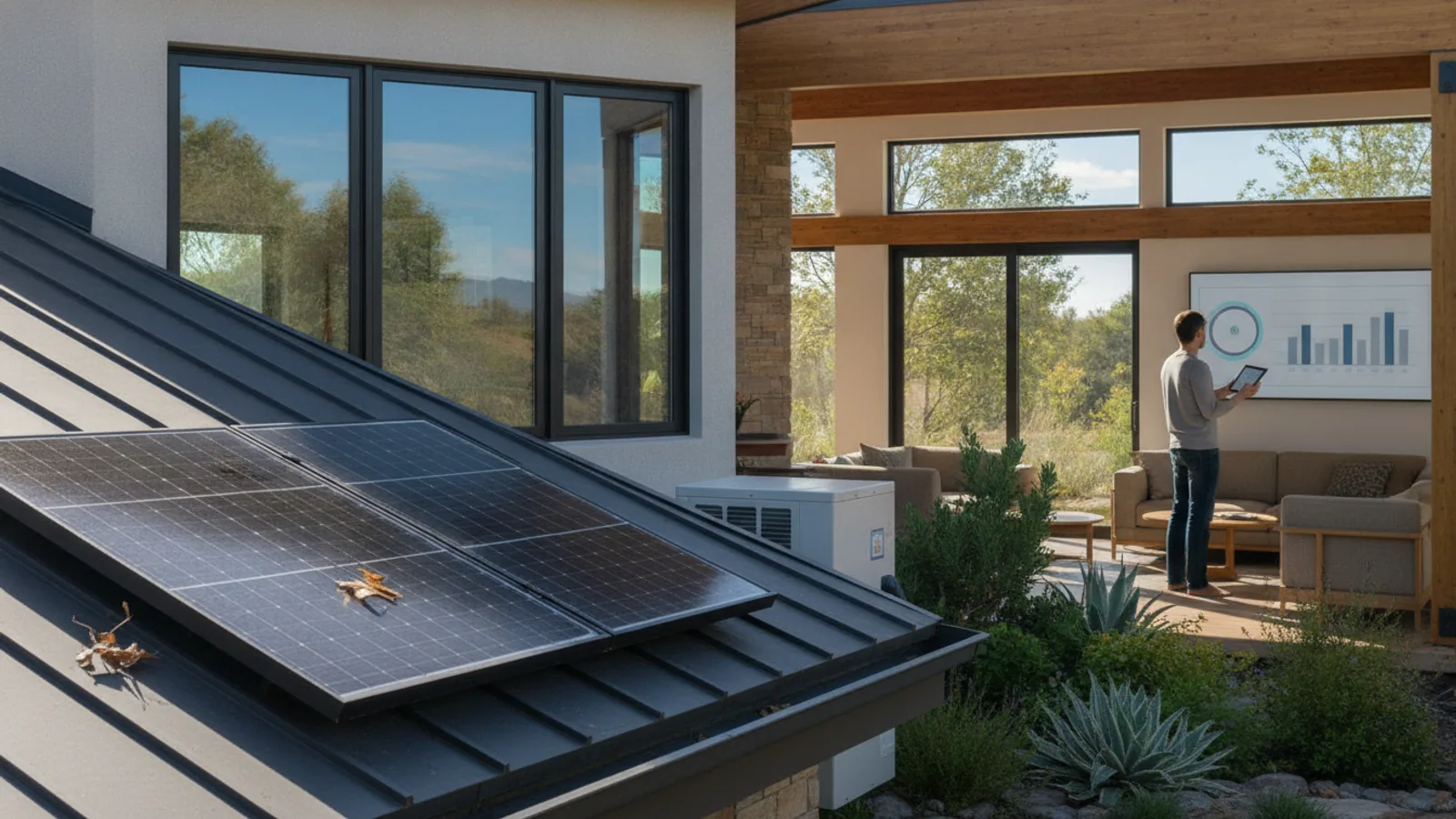
- Rooftop Solar PV Installation - Best for sustainable energy generation
- Air Source Heat Pump Systems - Best for advanced heating efficiency
Buying Guide: How to Choose energy efficient home improvements
Selecting the right energy efficient home improvements for your property can feel overwhelming given the range of options and varying costs. To make an informed decision, it's essential to consider several key factors unique to your home and circumstances.
Assess Your Current Home's Energy Performance
The first step is to understand where your home is currently losing energy. An Energy Performance Certificate (EPC) provides a detailed rating of your home's energy efficiency and includes recommendations for improvements. This report is invaluable for identifying the most impactful upgrades. Often, addressing basic fabric issues like insulation is the most effective starting point before considering more complex heating systems or renewable energy.
Budget and Funding Options
Energy efficient home improvements come with a range of price tags. Establish a realistic budget and research available funding. In the UK, various government initiatives and grants may be available, such as the Boiler Upgrade Scheme for heat pumps, or VAT reductions on certain energy-saving materials. Look into green mortgages or specific loan products designed for eco-friendly home upgrades. Remember to consider the long-term savings on energy bills as part of your investment.
Property Type and Age
Your home's construction type and age will heavily influence which improvements are most suitable. For instance:
- Older properties (pre-1930s): Often have solid walls, making internal or external wall insulation a more complex but impactful choice than cavity wall insulation. They may also benefit greatly from draught-proofing and high-performance glazing.
- Modern properties: Likely already have good insulation and double glazing, meaning upgrades might focus on renewable energy, smart controls, or advanced heating systems.
- Terraced, semi-detached, or detached: Heat loss varies significantly. Detached homes often have more exposed surface area, benefiting greatly from comprehensive insulation.
Consider structural limitations, conservation area rules, and listed building restrictions.
Installation Complexity and Disruption
Some improvements, like smart thermostats, are relatively quick and minimally disruptive. Others, such as solid wall insulation or a heat pump installation, can involve significant disruption, scaffolding, and several days or weeks of work. Factor in the inconvenience and potential need to vacate certain areas of your home during the process.
Payback Period and Return on Investment (ROI)
The "payback period" is the time it takes for your energy savings to equal the initial cost of the improvement. While some upgrades offer a quick payback, others are a longer-term investment. Consider the return on investment beyond just energy savings, such as increased property value, enhanced comfort, and reduced carbon footprint. A good energy rating can make your home more attractive to buyers.
Comfort Improvement and Lifestyle
Beyond financial savings, consider how an improvement will enhance your daily living. Better insulation means fewer cold spots and a more consistent temperature. High-performance glazing reduces external noise. Smart controls offer greater flexibility and convenience in managing your home's climate. Choose improvements that align with your lifestyle and desired level of comfort.
Environmental Impact
If reducing your carbon footprint is a primary driver, prioritise improvements that either drastically cut energy consumption or switch to renewable sources. Solar PV, air source heat pumps, and comprehensive insulation are excellent choices for reducing environmental impact.
Choosing an Installer
For most significant energy efficient home improvements, professional installation is crucial. Always seek multiple quotes from reputable, certified installers. In the UK, look for certifications like:
- MCS (Microgeneration Certification Scheme): For renewable technologies like solar PV and heat pumps.
- TrustMark: A government-endorsed quality scheme for tradespeople.
- FENSA/CERTASS: For window and door installations.
Check reviews, ask for references, and ensure all warranties and guarantees are clearly outlined before committing.
Maintenance and Longevity
Consider the long-term maintenance requirements and expected lifespan of the improvement. While insulation generally requires little to no maintenance, heat pumps and solar panels will need occasional servicing to ensure optimal performance.
Final Verdict: Best energy efficient home improvements
After a comprehensive review of the top options for 2026, it's clear that the path to a more energy efficient home involves a blend of smart choices tailored to individual needs. For the vast majority of UK homeowners looking to make a single, high-impact improvement that lays the groundwork for all other efficiencies, the Comprehensive Home Insulation Upgrade remains the most effective starting point. It provides foundational improvements to warmth, comfort, and significant, enduring energy savings.
However, for those seeking immediate smart control and user-friendly energy management, exploring Smart Heating Control Systems offers a rapid and rewarding upgrade. If you're looking to combine energy savings with an uplift in property value and a noticeable reduction in noise, High-Performance Window Glazing is an excellent long-term investment. Meanwhile, homeowners committed to sustainable living and significant carbon reduction will find immense value in Rooftop Solar PV Installation or the advanced heating efficiency of Air Source Heat Pump Systems. Whatever your priority, taking action now will benefit both your wallet and the planet.
Begin Your Energy Efficiency Journey
Best Energy Efficient Home Improvements 2026 FAQ
What is the most cost-effective energy efficient home improvement in the UK?
Generally, loft insulation is considered one of the most cost-effective energy efficient improvements due to its relatively low installation cost and significant impact on preventing heat loss. Draught-proofing and optimising your heating controls (e.g., with a smart thermostat) also offer excellent returns for minimal investment.
Are there government grants available for energy efficient home improvements in GB?
Yes, the UK government offers various schemes to help homeowners with energy efficiency upgrades. Key examples include the Boiler Upgrade Scheme (BUS), which provides grants towards the cost of installing air source heat pumps, and VAT reductions on certain energy-saving materials and installations. It's recommended to check the official government website (gov.uk) or the Energy Saving Trust for the latest information on available grants and eligibility criteria.
How long do energy efficient improvements typically last?
The lifespan varies significantly by improvement type. Loft and cavity wall insulation can last for 40 years or more, often for the lifetime of the building. Double or triple glazing typically has a lifespan of 20-30 years. Solar PV panels usually come with performance guarantees of 20-25 years, while air source heat pumps are generally expected to last 15-20 years with proper maintenance. Smart thermostats and controls may have shorter lifespans, often aligned with general electronics.
Will energy efficient improvements increase my home's value?
Yes, energy efficient improvements can significantly increase your home's market value. A better Energy Performance Certificate (EPC) rating makes a property more attractive to potential buyers, as it signals lower running costs and a more comfortable living environment. Improvements like new glazing, good insulation, and modern heating systems are often seen as desirable features by purchasers.
Can I do any energy efficient home improvements myself?
Some energy efficient improvements are suitable for DIY, such as draught-proofing around windows and doors, installing basic loft insulation (if easily accessible), and replacing incandescent bulbs with LED lighting. However, more complex installations like wall insulation, new glazing, solar panels, or heat pumps require specialist knowledge, certifications, and professional installers to ensure safety, performance, and adherence to building regulations.