Home Extension Materials Guide
A practical step-by-step guide to home extension materials guide, including preparation, instructions, common issues, tips, and next steps.
Home Extension Materials Guide
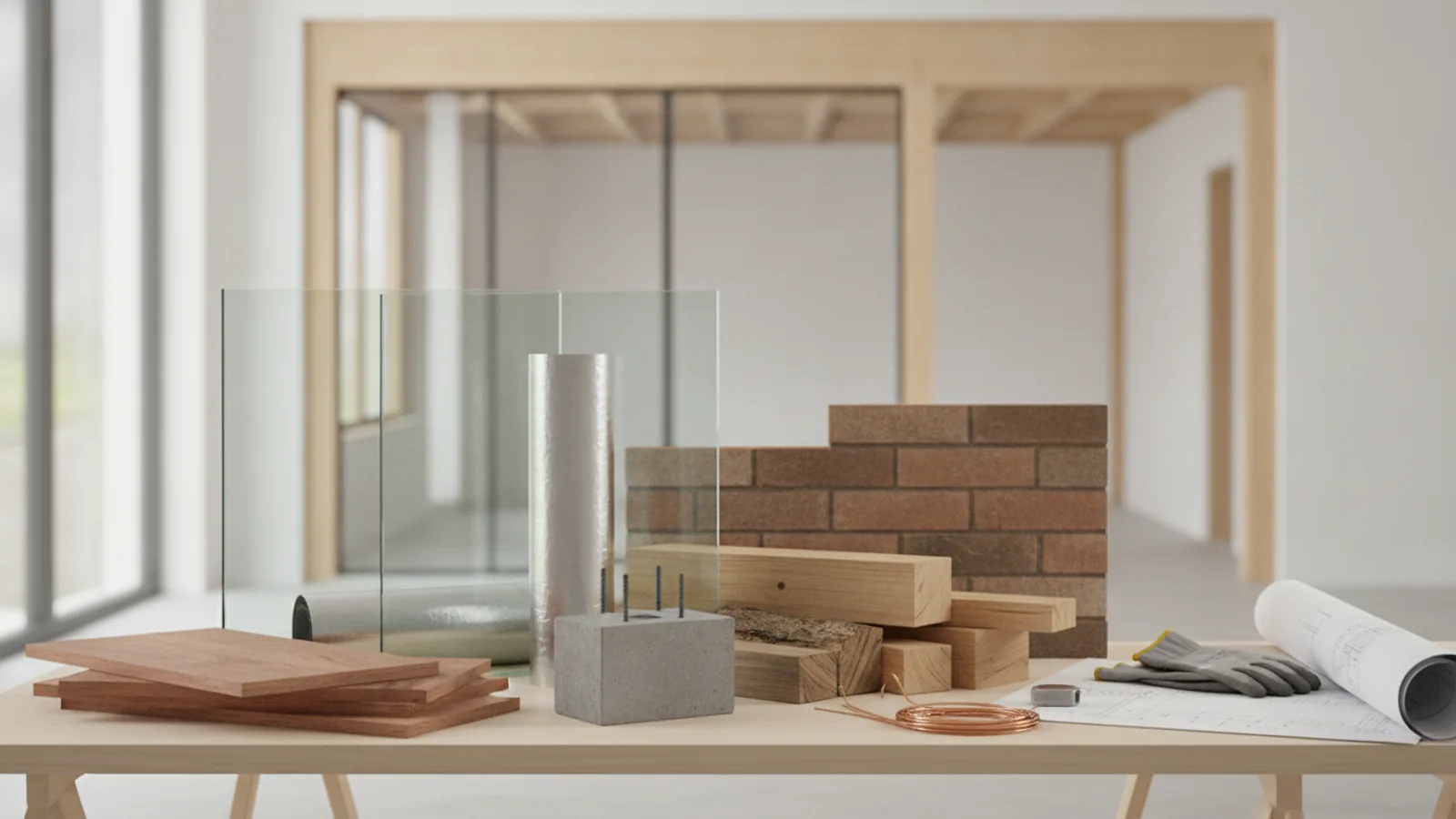
This guide explains how to approach home extension materials guide, including the preparation, practical steps, common mistakes, and final checks that help you finish with confidence.
Before You Start
Step-by-Step Instructions
Quick Reference
Common Problems When Choosing Home Extension Materials
Even with careful planning, some issues can arise when selecting materials for your extension. Being aware of these can help you avoid costly mistakes and delays.
Budget Overruns
One of the most frequent problems is that material costs exceed the initial budget. This can happen due to unexpected price increases, last-minute changes to more expensive options, or underestimating the quantities needed. Always get detailed quotes for materials and factor in a contingency fund, typically 10-15% of the total project cost, for unforeseen expenses.
Planning Permission and Building Regulations Issues
Choosing materials that don't comply with local planning permission or GB Building Regulations can halt your project. For instance, some areas might have restrictions on external finishes or roof colours. Always ensure your selections are pre-approved or align with permitted development rules and satisfy all technical requirements for structural integrity, insulation, and fire safety.
Mismatched Aesthetics
Selecting materials that clash with your existing home can result in an extension that looks disjointed or out of place. This often happens when choosing materials based solely on cost or individual appeal without considering the overall harmony. Carefully review samples, use architectural drawings, and consider professional advice to ensure the extension complements your property's style.
Poor Energy Performance
If insulation or window specifications are overlooked, your extension could end up being cold, draughty, or expensive to heat. Using materials with low U-values (which indicate poor insulation) or failing to properly seal the building envelope can lead to discomfort and higher energy bills. Prioritise high-quality insulation and energy-efficient glazing from the outset.
Availability and Lead Times
Sometimes, desired materials might have long lead times or become unavailable, especially for bespoke items or during periods of high demand. This can cause significant project delays. It's wise to check the availability and expected delivery times for all critical materials well in advance of construction.
Advanced Tips for Home Extension Materials
Once you've grasped the basics, consider these advanced tips to make your extension even better, more sustainable, or more future-proof.
Embrace Sustainable and Recycled Materials
Look beyond conventional options and explore sustainable materials. This could include reclaimed bricks or timber, recycled content in insulation boards, or locally sourced stone. Sustainable choices reduce your environmental impact and can add unique character to your extension. Research suppliers offering certified sustainable timber or materials with good environmental product declarations.
Integrate Smart Home Technology Early
If you're considering smart lighting, heating, or security systems, plan for the necessary wiring and infrastructure during the material selection and design phase. This means choosing wall types that can easily accommodate cabling or planning for discrete locations for sensors and controls. Retrofitting can be messy and expensive, so thinking ahead saves effort later.
Future-Proof for Adaptability
Consider how your extension might need to adapt in the future. Could a ground-floor extension eventually accommodate a wheelchair user? Could a room be easily converted from an office to a bedroom? Choosing adaptable materials and construction methods, such as reinforced internal walls for future shelving or wider door frames, can add long-term value and flexibility.
Understand Material Maintenance Requirements
While some materials are low maintenance (e.g., uPVC, fibre cement cladding), others require regular care (e.g., painted timber, some renders). Factor in the long-term commitment and cost of maintenance when making your choices. A material that looks great initially but demands constant attention might not be the best practical choice for your lifestyle.
Utilise Material Samples and Mock-ups
Beyond small samples, if your budget allows, consider creating a small mock-up or viewing a larger sample panel of your chosen external materials. This provides a much better sense of how colours and textures will appear in different light and against your existing property, helping you confirm your choices with confidence.
Work Closely with Experts for Optimisation
Don't hesitate to lean on the expertise of your architect, structural engineer, and builder. They can provide insights into material performance, cost-effectiveness, and compatibility that you might overlook. They can also suggest innovative material combinations or construction techniques that meet your goals while adhering to regulations and budget.
Home Extension Materials Guide FAQ
What are the most cost-effective materials for an extension?
Generally, concrete blocks for walls (finished with render), uPVC windows and doors, and concrete roof tiles tend to be among the most cost-effective choices. These materials offer good performance and meet Building Regulations while keeping initial costs lower than premium options like natural slate or aluminium glazing. Always get multiple quotes and consider the long-term running costs too.
How long do different extension materials last?
The lifespan of materials varies significantly. For example, well-maintained brickwork can last well over 100 years. Natural slate roofs can last 70-100 years or more, while concrete tiles might last 30-50 years. uPVC windows typically last 20-30 years, and aluminium frames can last 40-60 years. Proper installation and maintenance are key to maximising any material's lifespan.
Do I need planning permission for all extension materials?
While many extensions fall under 'permitted development' and don't require full planning permission, certain materials or designs might still trigger it. For instance, if your property is in a conservation area or is a listed building, there will be strict controls over external materials to ensure they match or are sympathetic to the existing structure. Always check with your local planning authority to understand specific restrictions for your area before making final material decisions.
What are U-values and why are they important?
A U-value is a measure of how effectively a material or component (like a wall, roof, or window) insulates. It indicates the rate of heat loss through that element. A lower U-value means better insulation and less heat escaping, making your extension more energy-efficient and comfortable. GB Building Regulations set minimum U-value standards that all new extensions must meet to ensure good thermal performance.
Final Checklist for Home Extension Materials Guide
Use this checklist to ensure you've considered all key aspects of choosing materials for your home extension.
By systematically working through these points, you can make informed decisions that lead to a successful, durable, and enjoyable home extension.