Hotel Room Design Ideas
A practical step-by-step guide to hotel room design ideas, including preparation, instructions, common issues, tips, and next steps.
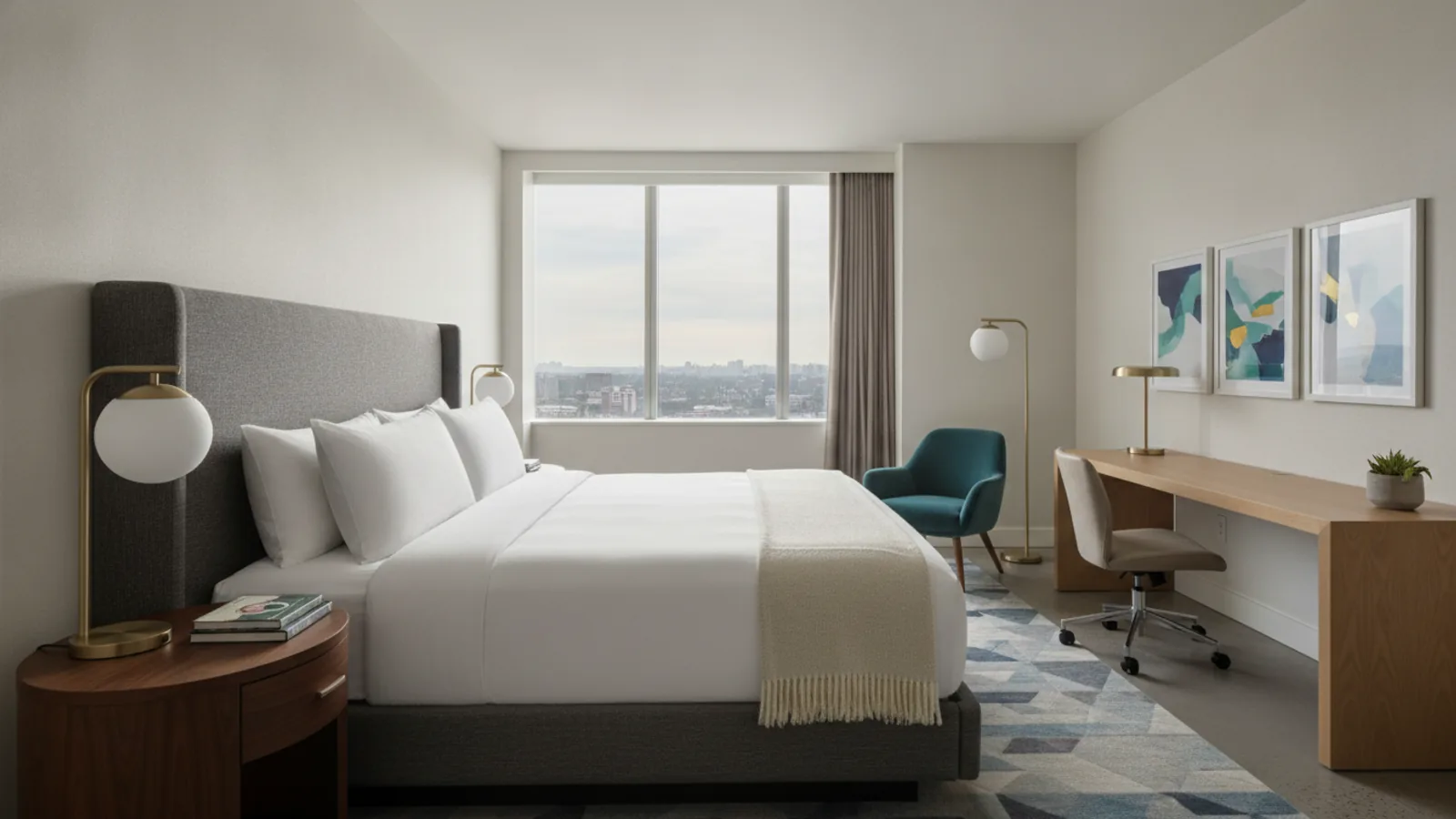
Hotel Room Design Ideas
This guide explains how to approach hotel room design ideas, including the preparation, practical steps, common mistakes, and final checks that help you finish with confidence.
Before You Start
Step-by-Step Instructions
Quick Reference
Common Problems When You Design Hotel Rooms
Designing hotel rooms involves balancing aesthetics with intense practical demands. Several common issues can arise:
- Ignoring Guest Needs: A beautiful room is useless if it doesn't meet fundamental guest requirements like comfortable sleep, adequate storage, or functional workspaces. Forgetting the purpose of a hotel room – accommodating a temporary resident – often leads to guest dissatisfaction.
- Underestimating Durability Requirements: Residential-grade furniture and finishes simply won't last in a hotel environment. Frequent use, cleaning, and luggage impact demand commercial-grade robustness. Failure to invest here leads to quick wear, frequent repairs, and higher long-term costs.
- Poor Lighting Design: A single overhead light or insufficient task lighting makes a room feel uninviting and impractical. Guests need flexible lighting for various activities, from reading to relaxing, and poorly planned lighting can be a major source of complaint.
- Inadequate Storage: Travellers always have luggage and personal items. Rooms without enough wardrobe space, drawers, or surfaces for personal belongings can leave guests feeling disorganised and cramped, regardless of room size.
- Budget Overruns: It's easy to get carried away with appealing design elements. Without strict budget management and value engineering, costs can spiral, impacting profitability. Prioritisation and seeking durable, cost-effective alternatives are crucial.
- Non-Compliance with Regulations: Overlooking local building codes, fire safety standards, or accessibility regulations (like those for disabled guests) can result in fines, forced redesigns, and even legal action. This is a critical area where 'look and feel' must always come second to safety and law.
- Lack of Maintenance Consideration: Choosing materials that are difficult to clean, easily stained, or hard to repair increases operational costs and reduces the room's lifespan. Design should always account for ease of maintenance.
Advanced Tips for Hotel Room Design Ideas
Once you've mastered the fundamentals, these advanced tips can elevate your hotel room designs:
- Embrace Biophilic Design: Incorporate natural elements such as plants, natural light, and materials like wood and stone. This creates a calming environment, reduces stress, and enhances guest well-being. Think about living walls or views of green spaces.
- Integrate Smart Room Technology: Beyond basic Wi-Fi, consider systems that allow guests to control lighting, climate, blinds, and entertainment from a single device or even voice commands. This adds a layer of convenience and a touch of luxury, aligning with modern tech expectations. Ensure the controls are intuitive and easy to override manually.
- Focus on Sensory Experience: Design isn't just visual. Consider subtle elements like soundproofing, curated scent diffusers (optional and guest-controlled), and tactile textures in fabrics and finishes. A holistic sensory experience creates a lasting impression.
- Design for Local Authenticity: Move beyond generic hotel aesthetics. Incorporate local art, crafts, materials, or cultural narratives into the design. This creates a unique sense of place and offers guests a more immersive experience, making the room feel special.
- Prioritise Sustainability: Implement eco-friendly practices by sourcing recycled or sustainably produced materials, installing energy-efficient appliances, and designing for minimal waste. Communicate these efforts to guests, as this increasingly resonates with conscious travellers.
- Modular and Flexible Furniture: For specific room types, consider modular furniture systems that can adapt to different guest needs. For example, a sofa that can transform into an extra bed, or tables that can be reconfigured for work or dining. This maximises space utility.
- Work with Professional Hotel Designers: For significant projects, collaborating with interior designers specialising in hospitality can bring invaluable expertise. They understand the unique challenges of hotel environments, can navigate regulations, and often have access to a wider range of commercial-grade suppliers.
Hotel Room Design Ideas FAQ
Here are answers to some common questions about hotel room design:
What is the single most important aspect of hotel room design?
The most important aspect is the guest experience. Every design decision should be made with the guest's comfort, convenience, and satisfaction in mind. A room might look stunning, but if it's uncomfortable, impractical, or doesn't meet basic needs, it fails.
How can I make a small hotel room feel larger?
To make a small room feel larger, use light colour palettes on walls and ceilings, incorporate mirrors to reflect light and create depth, choose multi-functional furniture (e.g., a bed with built-in storage), and ensure adequate, layered lighting. Keep clutter to a minimum and use vertical space effectively with tall, narrow storage.
What's the best approach to budgeting for hotel room design?
Start with a clear, realistic budget and prioritise spending on key items that directly impact guest comfort and durability, such as quality mattresses, robust furniture frames, and good lighting. Look for value in materials – durable options that are cost-effective in the long run. Get multiple quotes and consider phased renovations if the budget is tight for a full overhaul.
How often should a hotel room be redesigned or refurbished?
The typical lifecycle for a hotel room design or refurbishment is generally every 5 to 7 years for a soft goods refresh (paint, fabrics, artwork) and a more extensive renovation every 10 to 12 years, depending on the hotel's class, usage intensity, and market trends. High-end hotels or those in competitive markets might refresh more frequently.
Should hotel rooms include local elements in their design?
Yes, incorporating local elements, art, or cultural references can significantly enhance a hotel room's appeal. It creates a unique sense of place, makes the guest's stay more memorable, and connects them to the destination. Just ensure these elements are tastefully integrated and align with the overall brand identity, avoiding clichés.
Final Checklist for Hotel Room Design Ideas
Before finalising your hotel room design, run through this checklist to ensure all critical aspects have been considered:
- ✓ Have you clearly defined your target guest and hotel brand?
- ✓ Is the room layout optimised for functionality, flow, and guest comfort?
- ✓ Is the chosen theme and colour palette cohesive and representative of your brand?
- ✓ Are all furniture pieces and fixtures commercial-grade and chosen for durability and comfort?
- ✓ Is the lighting design layered, functional, and atmospheric, with easily accessible controls?
- ✓ Are there sufficient and smart storage solutions for guest belongings?
- ✓ Have technology and connectivity needs (outlets, USB, Wi-Fi, TV) been adequately addressed?
- ✓ Are finishing touches and artwork cohesive, fire-compliant, and enhancing the overall aesthetic?
- ✓ Have all design choices been vetted for ease of maintenance and long-term durability?
- ✓ Does the design fully comply with local building codes, fire safety, and accessibility regulations?
- ✓ Is the project within the allocated budget, with contingency for unforeseen issues?
- ✓ Have you considered the guest's entire journey and experience within the room?
- ✓ Is there a plan for regular maintenance and potential future upgrades or refreshes?