Small House Budget Checklist
A practical step-by-step guide to small house budget checklist, including preparation, instructions, common issues, tips, and next steps.
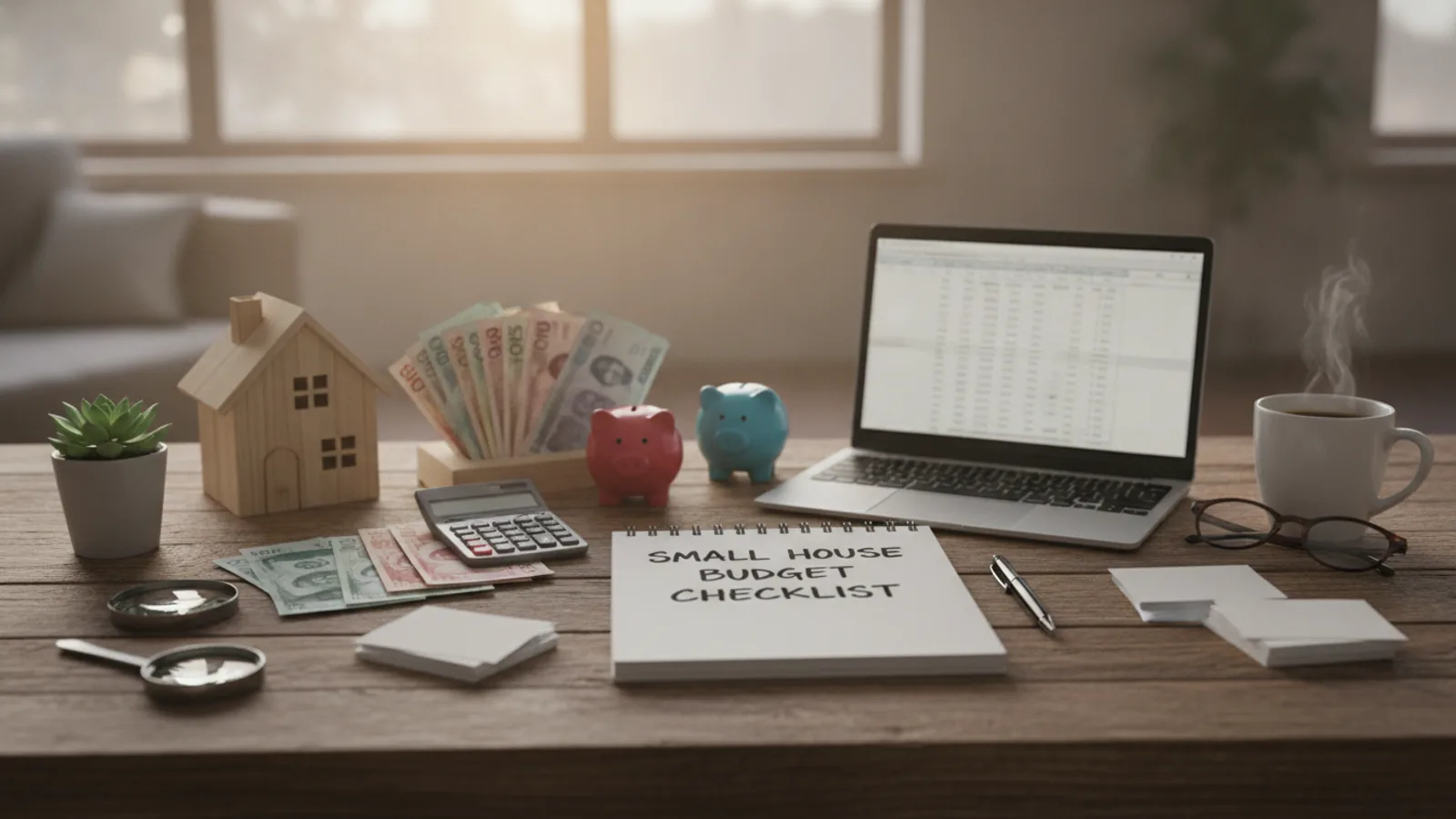
Small House Budget Checklist
This guide explains how to approach small house budget checklist, including the preparation, practical steps, common mistakes, and final checks that help you finish with confidence.
Before You Start
Step-by-Step Instructions
Quick Reference
Common Problems When You Budget for a Small House
Budgeting for a small house can present several challenges. Being aware of these common pitfalls can help you avoid them and keep your project on track.
Underestimating Hidden Costs
Many people focus solely on the visible costs like land and construction. However, unseen expenses such as planning permission fees, building control charges, structural engineer reports, utility connection fees, site surveys, and legal costs can quickly add up. These "soft costs" can sometimes account for 15-30% of the total project budget.
Failing to Account for Local Regulations
Regulations vary significantly across the GB. What's permitted in one council area might not be in another. Not researching local planning policies, building codes, and even specific tiny home regulations can lead to costly delays, redesigns, or even rejection of your plans. This oversight can force you to spend more on professional advice or adapting your build.
Overspending on Finishes and Fittings
It's easy to get carried away with interior design. High-end kitchens, luxurious bathrooms, or designer flooring can quickly push your budget beyond its limits. In a small house, every square inch matters, and expensive finishes can be a disproportionately large part of the overall cost compared to a larger home.
Not Having an Adequate Emergency Fund
As mentioned, unforeseen circumstances are almost guaranteed in a building project. Groundworks might reveal unexpected rock, material prices might suddenly increase, or a tradesperson might hit an issue. Without a solid contingency fund (ideally 10-15% of your total budget), these issues can halt your project or force you into debt.
Poor Budget Tracking
Creating an initial budget is only half the battle. If you don't diligently track every expenditure against your plan, you can lose control of your finances. This makes it difficult to see where you're overspending and adjust course before it's too late.
Ignoring the Cost of Living During the Build
If you're self-building, you'll need somewhere to live during construction. Factor in rent, utilities, and other living expenses for the duration of the build. These can add a substantial amount to your overall financial outlay, especially if the project takes longer than expected.
Advanced Tips for Small House Budgeting
Once you've mastered the basics, these advanced strategies can help you save even more money and optimise your small house budget.
Research Grants and Funding Schemes
In the GB, there might be specific grants available for certain types of housing, particularly if your small house incorporates innovative energy efficiency, sustainable materials, or addresses local housing needs. Check with local councils, national housing bodies, and environmental organisations for potential funding opportunities.
Consider Phased Building
If your budget is tight, consider building your small house in phases. This might mean completing the essential shell and making it habitable, then adding non-essential elements like a porch, a specific external finish, or advanced landscaping later when funds allow. This helps spread the cost over a longer period.
Embrace DIY (Smartly)
If you have relevant skills, doing some of the work yourself can save significant labour costs. Tasks like painting, basic landscaping, fitting internal doors, or even some aspects of construction (under supervision) can reduce expenses. However, be realistic about your abilities and time. Professional work is essential for structural elements, electrical, and plumbing for safety and compliance.
Negotiate with Suppliers and Contractors
Don't be afraid to negotiate prices. Get multiple quotes for materials and labour, and use competitive bids to leverage better deals. Building good relationships with suppliers and contractors can also lead to more favourable pricing and flexibility. Always get agreements in writing.
Explore Reclaimed and Recycled Materials
Sourcing materials from salvage yards, demolition sites, or online marketplaces can significantly reduce costs and add unique character to your small home. Think reclaimed timber, bricks, doors, windows, and even kitchen units. Just ensure they meet structural and safety standards.
Design for Simplicity and Efficiency
A simpler design often means lower costs. Complex rooflines, numerous corners, and non-standard window sizes increase material and labour expenses. Design your small house with efficiency in mind: passive solar gain, excellent insulation, and smart layout can reduce running costs over the long term, contributing to overall financial savings.
Factor in Future Resale Value
While building a small house is often about personal preference, consider its potential resale value. Overly niche designs or unusual locations might appeal to fewer buyers, potentially impacting your investment. Balance your unique vision with broader market appeal, especially if you foresee selling in the future.
Small House Budget Checklist FAQ
How much does a small house cost in the GB?
The cost of a small house in the GB varies enormously based on factors like size, location, materials, whether it's a self-build, kit home, or modular unit, and the level of finish. A tiny home kit might start from £20,000-£40,000 for the shell, while a custom-built small bungalow on its own land could easily exceed £150,000-£250,000+ once land, foundations, and all services are included. It is crucial to research current local prices and get multiple quotes.
What are the biggest hidden costs when building a small house?
The most common hidden costs include site preparation (groundworks, levelling, drainage), utility connections (especially if the site is remote), planning permission and building control fees, professional fees (architects, structural engineers, surveyors), and unexpected issues discovered during construction (e.g., poor ground conditions). Always budget a contingency fund of 10-15%.
Is it cheaper to build or buy a small house?
Generally, building a small house can potentially be cheaper than buying an existing property of a similar size, especially if you have skills for DIY or choose a more basic design and materials. However, building comes with greater risks, time commitment, and the potential for unexpected costs. Buying offers more certainty on price and timeframe but might limit customisation. Both options require careful budgeting and research.
How much contingency fund do I need for a small house project?
For any construction project, including a small house, a minimum contingency fund of 10% of the total project budget is recommended. For self-builds or projects with higher uncertainty (e.g., difficult site conditions, innovative designs), it's safer to aim for 15-20%. This fund covers unexpected expenses, material price increases, or delays.
Can I get a mortgage for a tiny home or small self-build in the GB?
Securing a traditional mortgage for a small house, especially a tiny home on wheels, can be challenging but not impossible. Lenders often have minimum property value requirements and prefer properties that are fixed to land with permanent foundations. Self-build mortgages are available for traditional builds but are released in stages as construction progresses. It's best to consult a mortgage broker specialising in self-builds or non-standard constructions early in your planning.
Final Checklist for Small House Budgeting
Use this final checklist to ensure you've considered all key aspects of your small house budget:
- Overall Budget Defined: Have you set a realistic maximum budget ceiling?
- Funding Secured: Do you know where all your funds (savings, loans) are coming from?
- Land/Pitch Costs: Accounted for purchase price, legal fees, and surveys?
- Construction/Purchase Costs: Detailed quotes for materials, kit, or labour?
- Site Prep & Foundation: Included groundworks, excavation, and foundation type?
- Utilities & Services: Budgeted for all connections (water, electricity, waste) or off-grid systems?
- Permits & Fees: Covered planning, building control, and professional fees?
- Insurance: Obtained self-build insurance during construction?
- Interior Finishes: Allocated funds for kitchen, bathroom, flooring, and appliances?
- External Works: Budgeted for pathways, basic landscaping, and fencing?
- Emergency Fund: Set aside 10-15% for unforeseen issues?
- Running Costs: Considered future council tax and utility bills?
- Regular Tracking Plan: Have a system to monitor spending throughout the project?