Small House Materials Guide
A practical step-by-step guide to small house materials guide, including preparation, instructions, common issues, tips, and next steps.
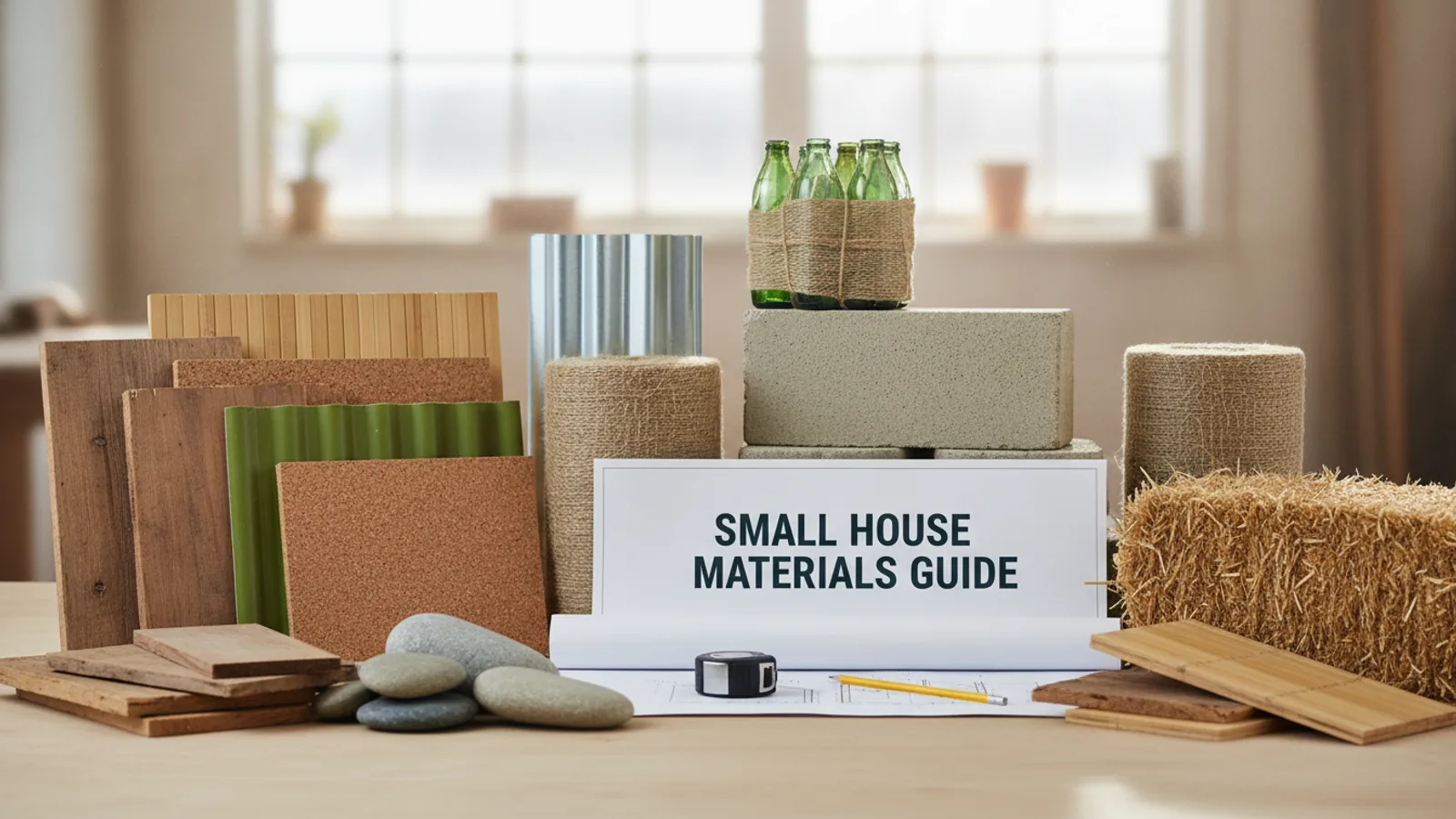
Small House Materials Guide
This guide explains how to approach small house materials guide, including the preparation, practical steps, common mistakes, and final checks that help you finish with confidence.
Before You Start
Step-by-Step Instructions
Quick Reference
Common Problems When Choosing Small House Materials
Budget Overruns
It's easy to get excited about premium materials and exceed your initial budget. Fix: Be realistic from the start. Prioritise structural integrity and insulation, then look for more affordable options for finishes. Get multiple quotes and consider cost-effective alternatives for non-critical elements. Always include a 10-15% contingency fund in your budget.
Ignoring Local Regulations
Choosing materials that don't meet building control standards or local planning permission can lead to costly rework or even demolition. Fix: Before purchasing anything, consult with your local council's planning department and building control. Obtain any necessary permits and ensure your material choices are compliant.
Poor Thermal Performance
Selecting materials with low insulation values, or neglecting to include a proper vapour barrier, can lead to a cold, damp, or expensive-to-heat small house. Fix: Prioritise high-performance insulation and ensure a continuous thermal envelope. Understand U-values for windows and doors, and correctly install vapour control layers to prevent condensation.
Underestimating Maintenance
Some beautiful natural materials, like untreated wood siding, require regular maintenance (staining, sealing) that homeowners might not factor in. Fix: Be honest about your willingness and ability to perform ongoing maintenance. If you prefer a hands-off approach, opt for low-maintenance materials like fibre cement, metal, or uPVC.
Material Incompatibility
Mixing certain materials without proper consideration can lead to issues like galvanic corrosion (between dissimilar metals) or moisture traps. Fix: Research how different materials interact. Consult product data sheets and, if in doubt, seek advice from experienced builders or material suppliers to ensure compatibility.
Advanced Tips for Small House Materials Guide
Embrace Passive Design Principles
Integrate passive design from the start. This means using your small house's orientation, window placement, and material choices to naturally regulate temperature and maximise daylight. For example, large south-facing windows (in the Northern Hemisphere) with appropriate overhangs can provide winter solar gain while preventing summer overheating. High thermal mass materials (like concrete floors) can store heat and release it slowly, moderating indoor temperatures.
Consider Modular or Prefabricated Components
Many small house builders are turning to modular or prefabricated components like SIPs (Structural Insulated Panels) or even pre-built wall sections. These can significantly speed up construction time, reduce waste on-site, and often provide high levels of precision and quality control. While the upfront cost might be higher, they can save money on labour and project duration.
Invest in High-Quality Windows and Doors
In a small house, windows and doors make up a larger proportion of the wall area than in a traditional home. Investing in high-quality, high-performance double or triple-glazed units with good U-values and airtight seals will make a substantial difference to your comfort and energy bills over the lifetime of the house. Look for products designed for energy efficiency.
Explore Recycled and Reclaimed Materials
For an eco-friendly and unique small house, investigate recycled or reclaimed materials. This could include reclaimed timber for framing or finishes, salvaged bricks, recycled steel, or even denim insulation. Always ensure reclaimed materials are fit for purpose, structurally sound, and free from pests or hazardous chemicals. This approach can also add character and reduce environmental impact.
Future-Proof with Longevity and Adaptability
Think long-term. Choose materials that are known for their longevity and can withstand the test of time and weather. Also, consider the potential for future adaptability. Can a wall be easily changed? Is the wiring accessible for upgrades? Building with durable, maintainable materials means less need for costly repairs or replacements down the line, increasing the value and lifespan of your small home.
Small House Materials Guide FAQ
Q: What's the most budget-friendly material for a small house?
A: Generally, a timber frame with a simple corrugated metal roof and treated timber or uPVC cladding tends to be among the most budget-friendly options. Reclaimed or locally sourced materials can also significantly reduce costs if you have the time and resources to find them.
Q: How important is insulation in a small house?
A: Insulation is extremely important, especially in the variable GB climate. A well-insulated small house will be comfortable year-round, cheaper to heat or cool, and help prevent issues like damp and mould. Don't compromise on insulation for short-term savings.
Q: Can I use recycled materials for my small house?
A: Yes, many builders successfully incorporate recycled materials like reclaimed timber, old windows (if updated for efficiency), or even denim insulation. However, you must ensure they meet structural requirements, building control standards, and are free from pests or contaminants. Always verify their suitability for the intended use.
Q: Should I choose lightweight materials for a tiny house on wheels?
A: Absolutely. Weight is a critical factor for tiny houses on wheels. Every material choice should consider its weight to ensure the finished house is within the legal towing limits of your vehicle and the load capacity of the trailer chassis. Lightweight options like steel framing and metal cladding are often preferred.
Q: What is the best type of foundation for a small house?
A: The "best" foundation depends on your specific project. For permanent structures, a concrete slab or pier foundation is common. For portable small houses or garden rooms, timber skids might be suitable. For tiny houses on wheels, a purpose-built trailer chassis is essential. Always consider ground conditions, local regulations, and the weight of your structure.
Final Checklist for Small House Materials Guide
By carefully working through this guide and checklist, you'll be well-prepared to select the best materials for your small house, ensuring a durable, comfortable, and cost-effective home.