Urban Garden Design Ideas
A practical step-by-step guide to urban garden design ideas, including preparation, instructions, common issues, tips, and next steps.
Urban Garden Design Ideas
This guide explains how to approach urban garden design ideas, including the preparation, practical steps, common mistakes, and final checks that help you finish with confidence.
Before You Start
Step-by-Step Instructions
Quick Reference
Common Problems When You Design an Urban Garden
Urban gardening comes with unique challenges, but most have straightforward solutions. Understanding these common problems can save you time and frustration, helping your garden thrive.
Lack of Adequate Sunlight
Many urban spaces, especially those surrounded by tall buildings, suffer from limited direct sunlight. This can severely restrict your plant choices.
- Fix: Accurately assess your sun exposure (as described in Step 1). Choose plants specifically labelled as shade-tolerant or partial-shade loving, such as lettuce, spinach, Swiss chard, mint, hostas, or impatiens. Consider using reflective surfaces, like painting a nearby wall white or placing a large outdoor mirror strategically, to bounce available light onto your plants. You could also rotate plants to ensure all sides get some light.
Limited Space for Growth
The defining characteristic of an urban garden is often its small footprint. This can make it feel impossible to grow a diverse range of plants or create distinct zones.
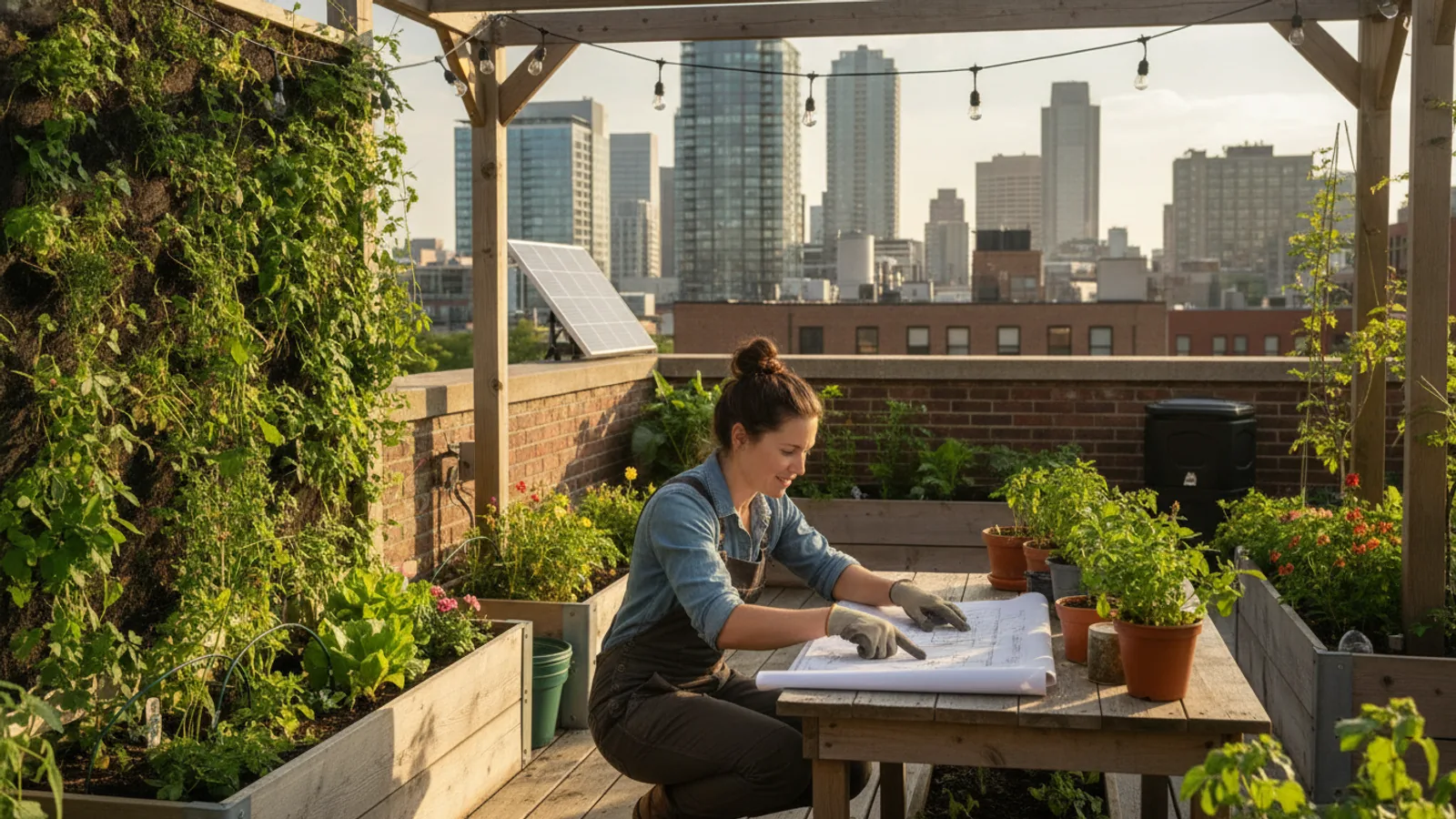
- Fix: Embrace vertical gardening. Use wall-mounted planters, tiered shelving units, hanging baskets, and railing planters. Grow vining plants like cucumbers or climbing beans on a trellis. Choose dwarf or compact varieties of fruits, vegetables, and flowers that are bred for small spaces. Think about multi-purpose furniture that doubles as storage or planting space.
Inconsistent Watering and Drainage Issues
Container plants dry out quickly, especially in sunny, windy urban environments. Conversely, poor drainage can lead to waterlogged roots and plant death.
- Fix: For consistent watering, invest in self-watering pots or a simple drip irrigation system connected to a timer. Use a good quality potting mix that drains well but also retains some moisture. Always ensure your containers have drainage holes, and use pot feet or risers to lift pots slightly off the ground, allowing water to escape freely. Check soil moisture daily with your finger before watering.
Pest and Disease Management
Even in urban areas, pests like aphids, slugs, or fungal diseases can quickly affect your plants, especially in close quarters.
- Fix: Inspect your plants regularly for any signs of trouble. Practice companion planting, using herbs like marigolds or basil to deter pests. Encourage beneficial insects like ladybirds. If pests appear, try non-toxic solutions first, such as spraying with a diluted neem oil solution or insecticidal soap. Remove affected leaves promptly and ensure good air circulation around plants to prevent fungal issues.
Weight Restrictions on Balconies/Rooftops
Heavy containers filled with wet soil can exceed the weight limits of balconies, decks, or rooftops, posing a significant safety risk.
- Fix: Prioritise lightweight materials for containers, such as plastic, fabric grow bags, or fibreglass. Use a lightweight potting mix that contains perlite, vermiculite, or coco coir, which are lighter than traditional soil. Avoid solid clay or concrete planters for large installations. Distribute weight evenly across the surface and consult a structural engineer if you have any doubts about the load-bearing capacity of your structure.
Advanced Tips for Urban Garden Design Ideas
Once you've mastered the basics, consider these advanced techniques to elevate your urban garden. These tips help you optimise space, conserve resources, and create an even more vibrant and sustainable green area.
Implement Small-Scale Composting
Reduce waste and create nutrient-rich soil for your plants by composting kitchen scraps. In urban settings, worm bins (vermicomposting) are an excellent solution. They are compact, odour-free when managed correctly, and produce high-quality compost and 'worm tea' fertiliser. Alternatively, a small tumbling composter can be used for a mix of kitchen and garden waste. This sustainable practice provides a continuous supply of free, organic fertiliser, improving your soil health significantly.
Harvest Rainwater
Install a compact rain barrel to collect rainwater from a downpipe or roof overhang, if your space allows. Rainwater is naturally soft and free of chlorine, making it excellent for plants. It also reduces your reliance on tap water, saving money and conserving resources. Ensure your rain barrel has a cover to prevent mosquito breeding and an overflow system. Even a small amount of collected water can make a difference, especially for watering delicate seedlings or acid-loving plants.
Automate Watering with Smart Systems
For convenience and efficiency, consider a smart irrigation system. These systems connect to your phone and can be programmed to water your plants automatically based on a schedule, or even adjust watering based on local weather forecasts. This is particularly useful for busy gardeners or when you're away from home. Drip irrigation kits are relatively easy to install in containers and deliver water directly to the plant roots, minimising waste from evaporation.
Practice Succession Planting
To maximise your edible yield, practice succession planting. This involves planting small batches of crops every 2-3 weeks instead of planting everything at once. As one crop finishes, another is ready to be harvested, providing a continuous supply throughout the growing season. This works well for quick-growing plants like lettuce, radishes, spinach, and bush beans. Plan your planting schedule carefully to make the most of your container space.
Integrate Pollinator-Friendly Plants and Features
Even in an urban environment, you can support local wildlife. Choose native plants and flowers that attract bees, butterflies, and other beneficial insects. Consider adding a small bee hotel or a shallow dish of water with stones for insects to land on. Avoiding pesticides and providing a diverse range of flowering plants will help create a mini ecosystem, enhancing your garden's health and beauty.
Optimise with Raised Beds and Vertical Farms
If you have a small backyard or a larger patio, modular raised beds offer excellent drainage, warmth, and easy access. For the ultimate space-saving solution, explore compact vertical farm systems. These often feature stacked tiers with integrated lighting and watering systems, allowing you to grow a significant amount of produce in a very small footprint, even indoors or on a very small covered patio.
Urban Garden Design Ideas FAQ
What are the best plants for a small urban garden?
For edibles, consider compact varieties of cherry tomatoes, bush beans, chillies, lettuce, spinach, radishes, carrots (short varieties), and a wide range of herbs like basil, mint, rosemary, and thyme. For flowers, good choices include marigolds, nasturtiums, petunias, pansies, and small varieties of lavender or calendula. Focus on plants that thrive in containers and match your specific light conditions.
How can I maximise space in a tiny urban garden?
Maximising space is crucial. Utilise vertical elements extensively: install wall-mounted planters, use tiered shelving units, hang baskets from ceilings or pergolas, and use railing planters on balconies. Choose multi-functional furniture that offers storage. Consider slim trellises for climbing plants. Opt for dwarf or compact plant varieties that don't take up much horizontal space.
How often should I water my urban garden?
The frequency depends on several factors: plant type, container size, type of potting mix, and weather conditions (temperature, humidity, wind). As a general rule, check your plants daily by sticking your finger about 2-3 cm into the soil. If it feels dry, it's time to water. Smaller pots and thirsty plants in hot, windy weather may need watering twice a day, while larger pots or shade-tolerant plants might need it every 2-3 days. Always water until you see drainage from the bottom.
Can I grow food on a balcony?
Absolutely! Balconies are excellent for growing a wide variety of edibles. Focus on lightweight containers and ensure your balcony can handle the weight of soil, water, and plants. Good choices include herbs, leafy greens (lettuce, spinach), radishes, carrots (short varieties), bush beans, strawberries, and compact varieties of tomatoes and chillies. Make sure your balcony gets enough sunlight for your chosen crops (at least 4-6 hours of direct sun for most vegetables).
How do I protect my urban garden from strong winds?
Strong winds can be an issue on balconies and rooftops. Choose heavy, sturdy containers or add ballast (like rocks at the bottom) to lighter pots. Position taller plants behind shorter, more robust ones. Use a trellis or screen to create a windbreak, potentially growing climbing plants on it for added protection. Opt for plants known to tolerate windy conditions, or bring vulnerable plants indoors during severe weather warnings.
Final Checklist for Urban Garden Design Ideas
Before you declare your urban garden complete, run through this checklist to ensure you've covered all the essential aspects. A thorough final review helps guarantee the long-term success and enjoyment of your green space.
- Space Assessment Complete: Have you accurately measured your space, tracked sunlight patterns, and noted existing features?
- Garden Purpose Defined: Are your primary goals for the garden (e.g., edibles, relaxation, aesthetics) clearly established?
- Layout Planned: Do you have a clear sketch or plan for plant placement, zones, and access, utilising vertical space effectively?
- Containers Chosen: Have you selected containers that are the correct size, material, and have adequate drainage for your chosen plants and space?
- Plants Selected: Are your chosen plants suitable for your light conditions, climate, container size, and your garden's purpose?
- Soil and Planting Done: Have you used high-quality potting mix and properly planted everything, ensuring adequate space from the rim?
- Watering Strategy in Place: Do you have a reliable plan for watering, considering efficiency, consistency, and drainage?
- Nutrient Plan Established: Do you know when and how to feed your plants to ensure they get the necessary nutrients?
- Finishing Touches Added: Have you included any decorative elements, lighting, or seating to enhance the atmosphere?
- Maintenance Plan Clear: Do you have a routine for inspecting, pruning, and general upkeep of your garden?
- Safety Checks Done: If applicable, have you verified weight limits and structural integrity for balconies or rooftops?
With these steps completed, your urban garden is ready to thrive. Remember that gardening is an ongoing learning process, so enjoy the journey and adapt as your garden evolves.